

Social media is no longer just a place where people share photos, videos, and updates. It has become one of the most powerful business growth channels available today. Whether you run a small local business, an eCommerce store, a service company, or a global brand, your customers are spending time on social platforms every day.
That is why Social Media Management has become a critical part of modern business success. In many cases, businesses also combine it with Local SEO Services to attract nearby customers and increase local visibility in search results.
A strong social presence can help businesses build trust, increase visibility, generate leads, improve customer relationships, and drive sales. Just as On-Page SEO Services help improve website visibility in search results, effective Social Media Management helps businesses reach and engage their target audience across social platforms. Research shows that social media influences purchasing decisions for a large percentage of consumers,In this guide, you will learn proven Social Media Management strategies that businesses can use in 2026 to grow their audience, strengthen their brand, and increase revenue.
What Is Social Media Management?
Social Media Management is the process of planning, creating, publishing, monitoring, and improving content across social media platforms.
It includes:
- Content creation
- Content scheduling
- Community engagement
- Audience growth
- Social listening
- Performance tracking
- Paid social campaigns
- Brand reputation management
The goal is simple: connect with the right audience and turn attention into business results. This process is often strengthened through Business Consultation, which helps companies build more effective and goal-driven marketing strategies.
Effective Social Media Management is not about posting randomly. It requires a clear strategy, consistent execution, and ongoing improvement.
Why Social Media Management Matters More Than Ever in 2026
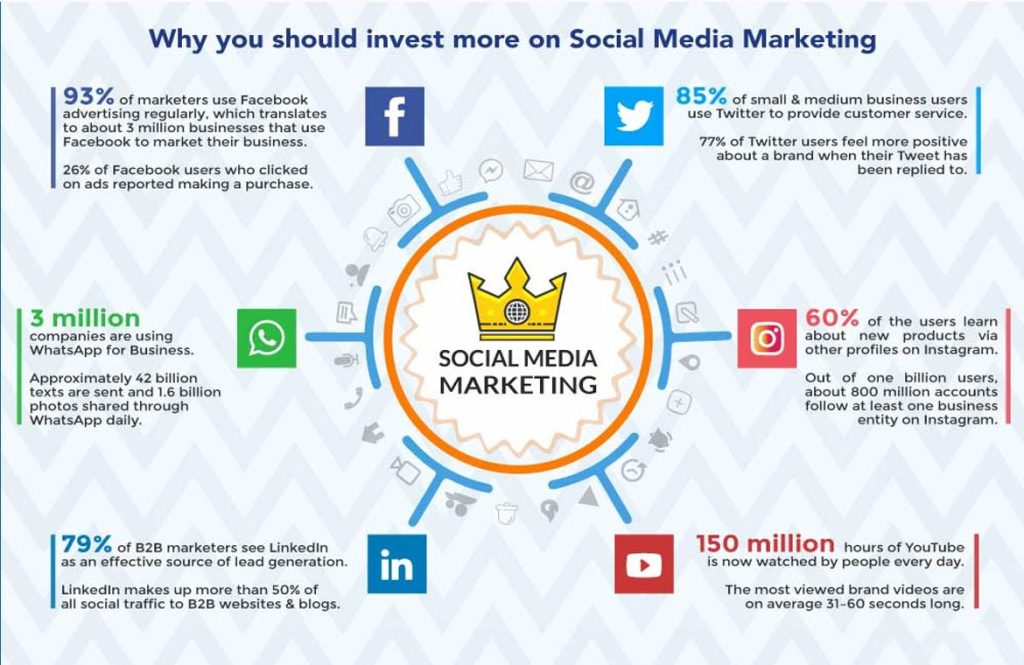
The number of social media users continues to grow globally. Recent industry data estimates that there are more than 5.4 billion social media users worldwide.
This means your customers are already spending time on social platforms.
Social media matters because it helps businesses:
- Increase brand awareness
- Build trust and credibility
- Generate qualified leads
- Improve customer service
- Drive website traffic
- Increase sales
- Strengthen customer loyalty
Research from Sprout Social found that social content, influencer content, and social advertising continue to impact consumer purchasing decisions.a qoo
Businesses that invest in Social Media Management are not simply gaining followers. They are building relationships that can create long-term revenue. These relationship-building efforts can become even more effective when combined with Off-Page SEO Services that enhance brand visibility beyond owned platforms.
The Biggest Social Media Management Trends in 2026
1. Community Building Is More Important Than Follower Counts
For years, businesses focused on growing follower numbers.
Today, successful brands focus on building communities.
According to HubSpot research, 85% of marketers believe building active communities is essential for social media success.
A smaller but highly engaged audience often produces better business results than a large audience that rarely interacts.
To build a community:
- Respond to comments
- Ask questions
- Create conversations
- Feature customer stories
- Encourage user-generated content
People want genuine interaction, not constant sales messages.
2. Short-Form Video Continues to Dominate
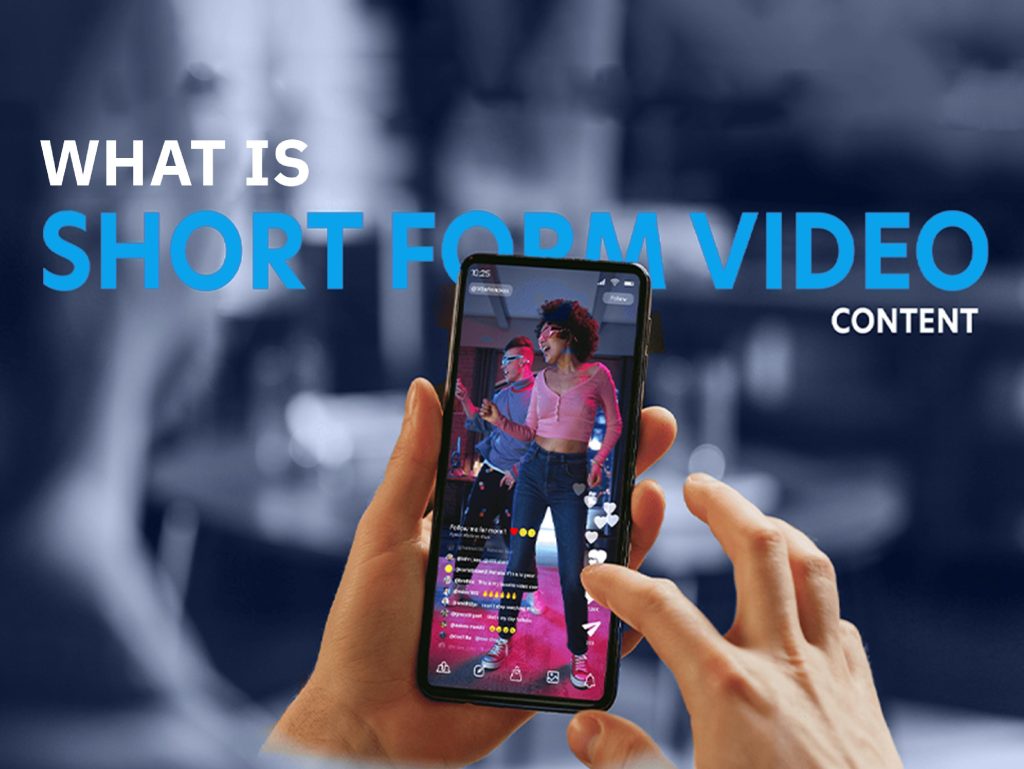
Short-form video remains one of the most effective content formats.
Platforms such as:
continue to attract massive engagement.
HubSpot reports that short-form videos remain among the highest-performing content formats across social platforms.
Businesses should create:
- Product demonstrations
- Quick tips
- Behind-the-scenes content
- Customer success stories
- Educational videoso
The key is providing value quickly.
3. Authentic Content Beats Trend Chasing
Many businesses try to follow every viral trend.
However, consumer research suggests that authenticity matters more than simply copying trends. Consumers value original and relatable content from brands.
Instead of chasing every trend:
- Focus on your audience
- Share real experiences
- Show your team
- Highlight customer success
- Create helpful content+
Trust grows when brands feel human.
4. Social Commerce Continues to Grow

People increasingly buy products directly through social platforms.
Social commerce is expected to continue growing as platforms make shopping easier.
Businesses should:
- Use product tagging
- Create product videos
- Share customer reviews
- Optimize product descriptions
- Simplify the buying process
Reducing friction often increases conversion
Creating a Social Media Management Strategy That Works
Define Clear Business Goals
Before creating content, determine what success looks like.
Common goals include:
- Brand awareness
- Lead generation
- Website traffic
- Customer support
- Product sales
- Community growth
Without clear goals, measuring success becomes difficult. For local businesses, combining Social Media Management with Map Ranking strategies can significantly improve discoverability in local search and map listings.
Understand Your Audience
Successful Social Media Management begins with understanding your audience.
Ask:
- Who are they?
- What problems do they face?
- Which platforms do they use?
- What content do they enjoy?
- What motivates them to buy?
Audience research helps businesses create content that resonates.
Choose the Right Social Platforms
Not every platform is right for every business.
Best for:
- Local businesses
- Community engagement
- Advertising
Best for:
- Visual brands
- eCommerce
- Lifestyle businesses
Best for:
- B2B companies
- Professional services
- Industry thought leadership
TikTok
Best for:
- Younger audiences
- Creative content
- Brand awareness
YouTube
Best for:
- Educational content
- Product demonstrations
- Long-term visibility
Focus on platforms where your audience is already active.
Content Planning for Better Results
Use the 80/20 Rule
One of the most effective Social Media Management strategies is balancing value and promotion.
A simple formula:
- 80% helpful content
- 20% promotional content
Helpful content may include:
- Tips
- Tutorials
- Industry insights
- FAQs
- Customer stories
Promotional content includes:
- Offers
- Product launches
- Service promotions
This balance keeps audiences engaged.
Create a Content Calendar
A content calendar improves consistency.
Plan content weekly or monthly.
Include:
- Post topics
- Posting dates
- Platform selection
- Content format
- Call-to-action
Consistency helps businesses stay visible.
Repurpose High-Performing Content
One piece of content can become multiple posts.
For example:
A blog post can become:
- Instagram carousel
- LinkedIn article
- TikTok video
- Facebook post
- YouTube Short
Repurposing saves time while increasing reach.
Social Media Management and Customer Engagement
Respond Quickly
Customers expect responses.
When businesses reply to comments and messages quickly, trust increases.
Engagement signals that a business values its audience.
Best practices include:
- Responding within 24 hours
- Addressing concerns politely
- Thanking customers
- Answering questions clearly
Customer service is now a major part of Social Media Management.
Encourage User-Generated Content
User-generated content is highly effective because it provides social proof.
Examples include:
- Customer photos
- Testimonials
- Reviews
- Product videos
People trust other customers more than advertisements.
This makes user-generated content one of the most valuable assets in Social Media Management.
Social Listening: The Hidden Growth Strategy
Many businesses only focus on publishing content.
The smartest businesses also listen.
Social listening means monitoring conversations about:
- Your brand
- Competitors
- Industry topics
- Customer concerns
According to Hootsuite, social listening helps marketers better connect social activity with business outcomes and improve decision-making. l
Benefits include:
- Finding customer pain points
- Identifying trends
- Improving products
- Managing reputation
- Creating better content
Listening often provides insights that traditional surveys miss.
Measuring Social Media Management Success

Tracking performance is essential.
Key metrics include:
Reach
How many people saw your content.
Engagement Rate
Likes, comments, shares, and saves.
Click-Through Rate
How many users clicked your links.
Conversion Rate
How many visitors completed a desired action.
Customer Acquisition
How many new customers came from social media.
Avoid focusing only on vanity metrics.
Business growth matters more than follower counts.
Common Social Media Management Mistakes to Avoid
Posting Without a Strategy
Random content rarely produces consistent results.
Every post should support a larger business objective.
Ignoring Analytics
Data helps identify what works.
Review performance regularly and adjust your strategy.
Over-Promoting
Constant sales messages can push audiences away.
Focus on providing value first.
Inconsistent Posting
Long periods of inactivity reduce visibility and engagement.
Consistency is more important than volume.
Ignoring Customer Comments
Social media is a two-way conversation.
Businesses that ignore engagement opportunities miss valuable relationships.
Recommended Resources for Better Social Media Management
These trusted resources provide valuable guidance and industry insights:
- Sprout Social Index Report
- HubSpot Social Media Trends Report
- Hootsuite Social Trends Research
- Meta Business Resources
- LinkedIn Marketing Solutions
These make excellent external links with relevant anchor text for SEO.
The Future of Social Media Management
The future of Social Media Management is centered around stronger customer relationships.
Businesses that succeed in 2026 will focus on:
- Community building
- Authentic content
- Short-form video
- Social commerce
- Customer engagement
- Data-driven decisions
- Brand trust
The businesses that listen, engage, and consistently provide value will continue to outperform competitors.
Conclusion
Social Media Management has evolved from a simple marketing activity into a critical business growth strategy.
With billions of people using social platforms daily, businesses have unprecedented opportunities to reach customers, build trust, and increase revenue. Success in 2026 is not about posting more content. It is about creating meaningful connections, understanding your audience, and delivering value consistently.
Focus on community building, short-form video, social listening, customer engagement, and clear business goals. These proven strategies can help businesses grow their audience, strengthen their brand, and generate measurable results.
The brands that treat social media as a relationship-building channel rather than just a promotion platform will be the ones that achieve sustainable growth.
Call to Action
Ready to improve your Social Media Management and grow your business in 2026?
Start by auditing your current social media strategy, identifying your audience’s needs, and creating a consistent content plan. If you want faster growth, stronger engagement, and better results, partner with an experienced social media management team that can turn your social channels into a reliable source of leads, customers, and revenue.